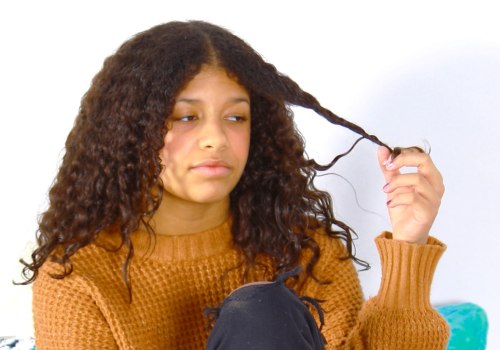
Trichotillomania, often referred to as a hair-pulling disorder, is a complex and often misunderstood condition that affects millions of individuals worldwide. This disorder falls under the umbrella of body-focused repetitive behaviors (BFRBs), which are characterized by compulsive actions that can lead to physical harm. For those who experience trichotillomania, the act of pulling out hair can become an automatic response to stress, anxiety, or even boredom, resulting in noticeable hair loss and emotional distress.The prevalence of trichotillomania is significant, with studies suggesting that it affects approximately 1-2% of the population, making it a common yet frequently overlooked mental health issue. It can manifest in various forms, including pulling hair from the scalp, eyebrows, eyelashes, and other areas of the body.
The impact of this disorder extends beyond physical appearance; it can severely affect an individual's self-esteem, relationships, and overall quality of life. Many individuals with trichotillomania report feelings of shame and isolation due to their behavior, which can further exacerbate their struggles.Understanding trichotillomania is crucial for fostering empathy and support for those affected. It is essential to recognize that this disorder is not merely a bad habit or a sign of weakness; rather, it is a legitimate mental health condition that requires appropriate treatment and understanding. Support systems play a vital role in helping individuals cope with trichotillomania.
Whether through therapy, support groups, or online communities, connecting with others who share similar experiences can provide comfort and validation. In the following sections, we will explore the various aspects of trichotillomania, including its causes, treatment options, and the importance of community support in managing this challenging disorder.Whether through therapy, support groups, or online communities, connecting with others who share similar experiences can provide comfort and validation. In the following sections, we will explore the various aspects of trichotillomania, including its causes, treatment options, and the importance of community support in managing this challenging disorder.
What is Trichotillomania?
Trichotillomania, often referred to as hair-pulling disorder, is classified as a body-focused repetitive behavior (BFRB) that compels individuals to pull out their own hair. This condition can lead to noticeable hair loss and can affect various areas of the body, including the scalp, eyebrows, eyelashes, and even facial hair. The act of pulling hair is typically accompanied by a sense of tension or anxiety before the behavior occurs, followed by a feeling of relief or pleasure afterward.Understanding the symptoms of trichotillomania is essential for recognizing the disorder in oneself or others.Common symptoms include:
- Recurrent Hair Pulling: The most defining symptom is the repeated pulling out of hair, which may be done consciously or unconsciously.
- Hair Loss: This can manifest as bald patches on the scalp or thinning of hair in other areas, leading to visible changes in appearance.
- Preoccupation with Hair: Individuals may spend significant time thinking about pulling their hair or engaging in the behavior itself.
- Attempts to Stop: Many people with trichotillomania have tried to reduce or stop their hair-pulling behavior but find it difficult to do so.
- Emotional Distress: The disorder often leads to feelings of shame, embarrassment, or frustration due to the inability to control the urge to pull hair.
The Causes of Trichotillomania
Understanding the causes of trichotillomania is crucial for developing effective coping strategies and treatment plans.This complex disorder does not have a single identifiable cause; rather, it is believed to arise from a combination of genetic, biological, psychological, and environmental factors.
Genetic Factors
Research indicates that genetics may play a significant role in the development of trichotillomania. Individuals with a family history of this disorder or other body-focused repetitive behaviors (BFRBs) may be at a higher risk. Genetic predispositions can influence brain chemistry and the way individuals respond to stress, making them more susceptible to developing compulsive behaviors like hair pulling.Brain Chemistry
The brain's chemical balance is another critical factor in understanding trichotillomania. Neurotransmitters such as serotonin and dopamine are essential for regulating mood and behavior.Imbalances in these chemicals can lead to increased impulsivity and compulsive actions. For instance, low serotonin levels have been associated with anxiety and depression, which often co-occur with trichotillomania. This connection suggests that addressing these imbalances through therapy or medication may help alleviate symptoms.
Stress and Trauma
Many individuals report that their hair-pulling behaviors began during periods of heightened stress or following traumatic events. Stressful life experiences can trigger the onset of trichotillomania, as individuals may use hair pulling as a coping mechanism to manage overwhelming emotions.Understanding this link can help individuals identify their triggers and develop healthier coping strategies.
Environmental Influences
Environmental factors also contribute to the development of trichotillomania. A chaotic or stressful upbringing, exposure to high levels of criticism, or lack of emotional support can create an environment where BFRBs thrive. Additionally, societal pressures regarding appearance can exacerbate feelings of inadequacy, leading individuals to engage in hair pulling as a means of self-soothing.In summary, the causes of trichotillomania are multifaceted and interconnected. By understanding these underlying factors—genetic predispositions, brain chemistry imbalances, stressors, and environmental influences—individuals can better navigate their journey toward recovery.This knowledge not only aids in developing targeted coping strategies but also fosters empathy and understanding for those affected by this challenging disorder.
The Impact of Trichotillomania on Daily Life
Trichotillomania, often referred to as hair-pulling disorder, can significantly disrupt an individual's daily life, affecting not only their physical appearance but also their emotional well-being and social interactions. Understanding the multifaceted impact of this condition is crucial for fostering empathy and support for those affected.Emotional Challenges
Individuals with trichotillomania frequently experience a range of emotional challenges. The act of pulling hair can be a compulsive behavior that provides temporary relief from stress or anxiety, but it often leads to feelings of guilt, shame, and frustration. This cycle can create a profound emotional toll, as individuals may feel trapped in their behavior while simultaneously desiring to stop.Many people with trichotillomania report feelings of isolation due to the stigma associated with the disorder.
They may avoid social situations or feel self-conscious about their appearance, particularly if they have noticeable bald patches or thinning hair. This avoidance can exacerbate feelings of loneliness and depression, making it even more challenging to seek help or connect with others.
Social Implications
The social implications of trichotillomania can be significant. Individuals may find themselves withdrawing from friends and family due to embarrassment or fear of judgment. This withdrawal can lead to strained relationships and a lack of support, which are essential for coping with the disorder.
Furthermore, misunderstandings about trichotillomania can lead to negative perceptions from others, further isolating those affected.In professional settings, individuals may struggle with self-esteem and confidence issues related to their appearance. This can hinder career advancement opportunities or lead to difficulties in networking and building professional relationships. The fear of being judged based on their condition can create additional stress in an already challenging environment.
Daily Challenges
On a practical level, trichotillomania presents daily challenges that can disrupt routines and responsibilities. The time spent engaging in hair-pulling behaviors can interfere with work, school, or personal activities.
Individuals may find themselves needing to spend extra time covering up bald spots or managing the aftermath of pulling, which can be both physically and emotionally exhausting.Additionally, the need for coping mechanisms—such as fidget toys or other distractions—can become a part of daily life for those managing trichotillomania. Finding effective strategies to replace hair-pulling behaviors requires effort and commitment, which can be overwhelming amidst other life responsibilities.In conclusion, the impact of trichotillomania on daily life is profound and multifaceted. By recognizing the emotional challenges, social implications, and daily obstacles faced by individuals with this disorder, we can cultivate a more supportive environment that encourages understanding and compassion.
Coping Strategies for Trichotillomania
Coping with trichotillomania can be a daunting journey, but implementing effective coping strategies can significantly improve an individual's ability to manage their symptoms. Here are several self-help techniques and behavioral strategies that can empower those affected by this condition.1.Awareness and Monitoring
One of the first steps in managing trichotillomania is to develop an awareness of the behavior.Keeping a hair-pulling diary can be incredibly beneficial. In this diary, individuals can note:
- The times they pull their hair
- The situations or emotions that trigger the urge
- The locations where pulling occurs most frequently
- The feelings experienced before and after pulling
2.Finding Alternatives
Substituting hair pulling with alternative behaviors can be an effective strategy. Here are some alternatives to consider:- Fidget toys: Using stress balls, fidget spinners, or textured items can keep hands busy.
- Crafting: Engaging in activities like knitting or drawing can provide a creative outlet and distract from urges.
- Mindfulness practices: Techniques such as meditation or yoga can help reduce anxiety and promote relaxation.
3.Stress Management Techniques
Since stress often exacerbates trichotillomania, incorporating stress management techniques into daily routines is essential. Consider the following:- Deep breathing exercises: Practicing deep breathing can help calm the mind and body during moments of tension.
- Regular physical activity: Exercise releases endorphins, which can improve mood and reduce stress levels.
- Sufficient sleep: Prioritizing sleep hygiene can enhance overall well-being and resilience against triggers.
4.Building a Support Network
Connecting with others who understand the challenges of trichotillomania is invaluable.Consider joining support groups, either online or in-person, where individuals can share experiences and coping strategies. Having a support network fosters a sense of community and reduces feelings of isolation.Coping with trichotillomania requires patience and persistence. By employing these self-help techniques and behavioral strategies, individuals can take proactive steps towards managing their condition effectively.
Therapeutic Approaches to Treating Trichotillomania
When it comes to managing trichotillomania, understanding the various therapeutic approaches available can be crucial for individuals seeking relief from this challenging disorder. Among the most effective treatments is cognitive behavioral therapy (CBT) , which has been widely recognized for its efficacy in addressing the underlying thought patterns and behaviors associated with hair pulling.Cognitive Behavioral Therapy (CBT)
- CBT is a structured, goal-oriented form of therapy that focuses on identifying and changing negative thought processes.
For individuals with trichotillomania, CBT helps in recognizing triggers that lead to hair pulling and developing healthier coping mechanisms.
- During therapy sessions, patients work with a trained therapist to explore the emotional and psychological factors contributing to their behavior. This exploration often includes keeping a diary to track instances of hair pulling, which can reveal patterns and triggers.
- CBT also incorporates techniques such as exposure and response prevention, where individuals learn to resist the urge to pull hair in situations that typically trigger the behavior.
- Medication: Some individuals may benefit from medications such as selective serotonin reuptake inhibitors (SSRIs), which can help manage symptoms of anxiety or depression that often accompany trichotillomania.
- Mindfulness and Relaxation Techniques: Practices such as mindfulness meditation, yoga, and deep breathing exercises can help reduce stress and anxiety, making it easier for individuals to manage their urges to pull hair.
- Support Groups: Participating in support groups can provide a sense of community and understanding. Sharing experiences with others who face similar challenges can be incredibly validating and empowering.
Seeking professional help from a therapist who specializes in BFRBs is an essential step in this process. With the right support and therapeutic approaches, individuals can learn to cope with their condition more effectively and improve their overall quality of life.
Finding Support: Resources and Communities
Finding support is a crucial step for anyone dealing with trichotillomania. The journey can often feel isolating, but connecting with others who understand the challenges can provide comfort and encouragement. There are numerous resources and communities available that cater specifically to individuals affected by this disorder.Support Groups for Trichotillomania
Support groups offer a safe environment where individuals can share their experiences, learn from one another, and find solace in knowing they are not alone.These groups can be found both in-person and online:
- Local Support Groups: Many cities have local chapters of organizations dedicated to BFRBs, including trichotillomania. These groups often meet regularly, providing a space for members to discuss their struggles and successes.
- Online Support Groups: For those who may not have access to local resources, online support groups are an excellent alternative. Platforms like Facebook host groups specifically for individuals with trichotillomania, where members can post questions, share coping strategies, and offer emotional support.
Online Communities
The internet has made it easier than ever to connect with others facing similar challenges. Online communities provide a platform for individuals to engage in discussions, share resources, and find encouragement:- Forums: Websites such as Reddit have dedicated forums where users can discuss their experiences with trichotillomania.
These forums allow for anonymity, which can encourage more open sharing.
- Dedicated Websites: Organizations like the Trichotillomania Learning Center (TLC) offer extensive resources, including forums, educational materials, and information about upcoming events and webinars.
Finding Help
If you are seeking professional help, it is essential to find a therapist who specializes in treating trichotillomania or other body-focused repetitive behaviors. Here are some tips for finding the right professional:- Research Therapists: Use online directories such as Psychology Today or TherapyDen to find therapists in your area who specialize in BFRBs.
- Ask Questions: When contacting potential therapists, inquire about their experience with trichotillomania and the treatment approaches they use.
- Consider Teletherapy: If local options are limited, many therapists now offer virtual sessions, making it easier to access specialized care from the comfort of your home.
The Role of Family and Friends in Supporting Those with Trichotillomania
Supporting a loved one with trichotillomania can be a challenging yet rewarding experience. Family and friends play a crucial role in the recovery journey, providing emotional support, understanding, and encouragement.Here are some ways to effectively support those struggling with this condition:
- Educate Yourself: Understanding trichotillomania is the first step in providing meaningful support. Learn about the disorder, its symptoms, and its impact on daily life. This knowledge will help you empathize with your loved one’s struggles and avoid misconceptions.
- Listen Actively: Create a safe space for open communication. Encourage your loved one to share their feelings and experiences without fear of judgment.
Listening actively can help them feel validated and understood.
- Avoid Judgment: It’s essential to approach the situation with compassion rather than criticism. Avoid making negative comments about their behavior or appearance, as this can lead to feelings of shame and isolation.
- Encourage Professional Help: Gently suggest seeking therapy or joining support groups if they haven’t already. Professional guidance can provide them with effective coping strategies and tools to manage their urges.
- Be Patient: Recovery from trichotillomania is often a long process filled with ups and downs. Be patient and understanding as your loved one navigates their journey, celebrating small victories along the way.
- Offer Practical Support: Help them identify triggers and develop coping mechanisms.
This could include engaging in alternative activities during stressful moments or creating a distraction toolkit that includes fidget toys or stress balls.
Frequently Asked Questions about Trichotillomania
Trichotillomania, often referred to as hair-pulling disorder, is surrounded by numerous questions and misconceptions. Addressing these frequently asked questions can help individuals better understand the condition and foster a supportive environment for those affected.What is trichotillomania?
Trichotillomania is a mental health disorder characterized by the compulsive urge to pull out one’s own hair, leading to noticeable hair loss.This behavior can occur on any part of the body where hair grows, including the scalp, eyebrows, and eyelashes. It is classified as a body-focused repetitive behavior (BFRB) and often coexists with other mental health issues such as anxiety or depression.
Who is affected by trichotillomania?
This disorder can affect individuals of all ages, genders, and backgrounds. However, it most commonly begins in childhood or adolescence. Studies suggest that women are more likely to be diagnosed than men, but this may be due to differences in reporting and seeking treatment.What causes trichotillomania?
The exact cause of trichotillomania remains unclear.However, research indicates that a combination of genetic, environmental, and psychological factors may contribute to its development. Stressful life events or trauma can also trigger the onset of symptoms.
Is trichotillomania just a bad habit?
No, trichotillomania is not merely a bad habit; it is a recognized mental health disorder. Individuals with this condition often experience significant distress and may feel unable to control their urges despite wanting to stop.Can trichotillomania be treated?
Yes, there are effective treatment options available for trichotillomania. Cognitive-behavioral therapy (CBT) has shown promise in helping individuals identify triggers and develop healthier coping mechanisms.In some cases, medication may also be prescribed to manage associated symptoms like anxiety or depression.
What are some common myths about trichotillomania?
- Myth: Trichotillomania is just a phase that people will grow out of.
- Myth: People with trichotillomania are just seeking attention.
- Myth: Trichotillomania only affects children.
Conclusion: Moving Forward with Understanding and Support
As we conclude our exploration of trichotillomania and the support systems available for those affected, it is essential to reflect on the key insights shared throughout this article. Understanding this complex disorder is the first step toward fostering compassion and effective support for individuals grappling with hair-pulling behaviors.Trichotillomania is not merely a habit; it is a serious mental health condition that can significantly impact a person's life. The journey of managing this disorder often requires a multifaceted approach, including professional therapy, medication, and self-help strategies.By recognizing the various treatment options available, individuals can find a path that resonates with their unique experiences and needs.Moreover, the importance of community cannot be overstated. Whether through in-person support groups or online forums, connecting with others who share similar struggles can provide invaluable emotional support and practical advice. These communities create a safe space where individuals can express their feelings without fear of judgment, fostering a sense of belonging that is crucial for recovery.It is also vital for friends and family members to educate themselves about trichotillomania. Understanding the disorder can help loved ones offer more effective support, reducing feelings of isolation for those affected.
Encouraging open conversations about the challenges faced can lead to greater empathy and understanding.In summary, moving forward with knowledge and compassion is key to supporting those affected by trichotillomania. By embracing a holistic approach that includes professional help, community support, and education, we can empower individuals to manage their symptoms and improve their quality of life. Remember, recovery is a journey that takes time, but with the right resources and understanding, it is entirely achievable.