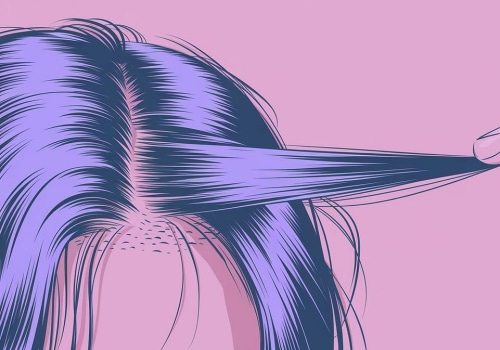
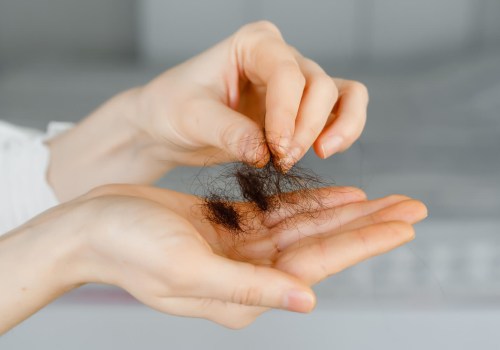
Trichotillomania, often referred to as a hair-pulling disorder, is a complex psychological condition that affects individuals across various age groups and backgrounds. Characterized by an uncontrollable urge to pull out one’s own hair, this disorder can lead to noticeable hair loss and significant emotional distress. For many, the act of pulling hair becomes a coping mechanism in response to stress, anxiety, or other underlying emotional issues. The impact of trichotillomania extends beyond physical appearance; it can severely affect self-esteem, social interactions, and overall quality of life.As awareness of trichotillomania grows, so does the exploration of alternative treatment options.
Traditional therapies often include cognitive-behavioral therapy (CBT) and medication; however, many individuals are seeking holistic approaches that address the mind-body connection. One such approach is mindfulness , a practice rooted in ancient traditions that emphasizes being present in the moment without judgment. Mindfulness techniques can help individuals with trichotillomania develop greater self-awareness and emotional regulation, which are crucial for managing their urges to pull hair.Integrating mindfulness into the treatment plan for trichotillomania offers a promising avenue for those struggling with this disorder. By fostering a deeper understanding of their thoughts and feelings, individuals can learn to recognize triggers that lead to hair-pulling episodes.
This awareness allows them to respond more effectively to their impulses rather than reactively engaging in the behavior. As we delve deeper into the various mindfulness practices that can aid in managing trichotillomania, it becomes clear that these techniques not only promote healing but also empower individuals to reclaim control over their lives.This awareness allows them to respond more effectively to their impulses rather than reactively engaging in the behavior. As we delve deeper into the various mindfulness practices that can aid in managing trichotillomania, it becomes clear that these techniques not only promote healing but also empower individuals to reclaim control over their lives.
What is Trichotillomania?
Trichotillomania
, commonly referred to as hair-pulling disorder, is classified as an impulse control disorder. It is characterized by the recurrent, irresistible urge to pull out one’s own hair, leading to noticeable hair loss and significant distress. This condition can affect individuals of all ages, but it often begins in childhood or adolescence.
Understanding trichotillomania is essential for those seeking effective treatment options, including mindfulness practices.The symptoms of trichotillomania can vary widely among individuals, but they generally include:
- Recurrent Hair Pulling: The primary symptom is the repeated pulling out of hair from the scalp, eyebrows, eyelashes, or other areas of the body.
- Hair Loss: This behavior results in noticeable hair loss, which can lead to bald patches or thinning hair.
- Attempts to Stop: Individuals often make unsuccessful attempts to reduce or stop their hair-pulling behavior.
- Emotional Distress: The disorder can cause significant emotional distress, including feelings of shame, guilt, or embarrassment.
- Triggers: Many individuals report that stress, anxiety, boredom, or specific emotional states trigger their urge to pull hair.
- Genetic Factors: There is evidence suggesting that trichotillomania may run in families, indicating a potential genetic predisposition.
- Environmental Influences: Stressful life events or trauma can trigger the onset of hair-pulling behaviors in susceptible individuals.
- Psychological Factors: Co-occurring mental health conditions such as anxiety disorders, depression, or obsessive-compulsive disorder (OCD) are common among those with trichotillomania.
The Role of Mindfulness in Mental Health
Mindfulness has emerged as a transformative approach in the realm of mental health, offering individuals a pathway to greater self-awareness and emotional regulation. At its core, mindfulness is the practice of being fully present in the moment, allowing individuals to observe their thoughts and feelings without judgment.This practice can be particularly beneficial for those grappling with psychological disorders, including trichotillomania, as it fosters a deeper understanding of one’s internal experiences.One of the primary benefits of mindfulness is its ability to reduce stress and anxiety. By focusing on the present moment, individuals can break free from the cycle of negative thinking that often exacerbates mental health issues. This shift in focus allows for a more balanced perspective, enabling individuals to respond to their emotions rather than react impulsively. For those with trichotillomania, this can mean recognizing the urge to pull hair as just a thought or feeling, rather than an uncontrollable impulse.Moreover, mindfulness techniques can enhance emotional resilience.
Regular practice encourages individuals to develop a non-reactive awareness of their thoughts and feelings, which can lead to improved coping strategies when faced with triggers. Techniques such as meditation, deep breathing, and body scanning not only promote relaxation but also help individuals identify patterns in their behavior that contribute to hair-pulling episodes.Regular practice encourages individuals to develop a non-reactive awareness of their thoughts and feelings, which can lead to improved coping strategies when faced with triggers. Techniques such as meditation, deep breathing, and body scanning not only promote relaxation but also help individuals identify patterns in their behavior that contribute to hair-pulling episodes.
- Meditation: This technique involves sitting quietly and focusing on one’s breath or a specific thought. It helps cultivate a sense of calm and clarity.
- Deep Breathing: Engaging in deep breathing exercises can ground individuals in the present moment, reducing anxiety and creating space between urges and actions.
- Body Scanning: This practice encourages awareness of physical sensations throughout the body, helping individuals recognize tension or discomfort that may trigger hair pulling.
Ultimately, mindfulness serves as a powerful tool for fostering self-compassion and understanding, paving the way for healing and recovery.
Mindfulness Techniques for Managing Trichotillomania
Managing trichotillomania, or hair-pulling disorder, can be a challenging journey, but incorporating mindfulness techniques can significantly enhance your ability to cope with the urges. Below are some effective mindfulness practices that can help you navigate this condition.Meditation for Hair-Pulling Disorder
Meditation is a cornerstone of mindfulness that encourages individuals to focus their attention and cultivate awareness of the present moment. For those dealing with trichotillomania, meditation can serve as a powerful tool to:- Increase Awareness: By regularly practicing meditation, you can become more attuned to the thoughts and feelings that precede hair-pulling episodes. This heightened awareness allows you to identify triggers and patterns in your behavior.
- Enhance Emotional Regulation: Meditation fosters a sense of calm and helps in managing anxiety and stress, which are often significant contributors to hair-pulling urges.
- Encourage Non-Reactivity: Through meditation, you learn to observe your thoughts without judgment.
This practice can empower you to acknowledge the urge to pull hair without feeling compelled to act on it.
Deep Breathing Exercises
Deep breathing is another effective mindfulness technique that can help manage trichotillomania.This practice involves taking slow, intentional breaths that can help ground you in the present moment and reduce anxiety levels. Here’s how to practice deep breathing:
- Find a Comfortable Position: Sit or lie down in a comfortable position, ensuring your back is straight.
- Inhale Deeply: Breathe in slowly through your nose for a count of four, allowing your abdomen to expand fully.
- Hold Your Breath: Pause for a moment after inhaling, holding the breath for a count of four.
- Exhale Slowly: Release the breath through your mouth for a count of six or eight, feeling any tension release from your body.
Body Scanning
Body scanning is a mindfulness technique that involves paying close attention to different parts of your body. This practice can help you become more aware of physical sensations associated with stress or anxiety that may trigger hair pulling.Here’s how to perform a body scan:
- Get Comfortable: Lie down or sit in a relaxed position.
- Focus on Your Feet: Start by directing your attention to your feet. Notice any sensations—tension, warmth, or discomfort.
- Move Upward: Gradually shift your focus up through your legs, torso, arms, and finally to your head. Take note of any areas of tension or discomfort.
- Acknowledge Sensations: As you scan each part of your body, acknowledge what you feel without judgment. This awareness can help you understand how stress manifests physically and may reduce the urge to pull hair.
With consistent practice, you may find greater control over urges and an improved sense of well-being.
Meditation: A Powerful Tool Against Hair Pulling
Meditation serves as a transformative practice for individuals grappling with trichotillomania, offering a pathway to greater self-awareness and emotional regulation. By engaging in meditation, individuals can cultivate a deeper understanding of their triggers and the underlying emotions that contribute to their hair-pulling urges.One of the primary benefits of meditation is its ability to enhance mindfulness. This heightened state of awareness allows individuals to observe their thoughts and feelings without immediate reaction. For those with trichotillomania, this means recognizing the urge to pull hair as it arises, rather than succumbing to it impulsively.By acknowledging these urges, individuals can create a mental space that enables them to choose a different response.To effectively incorporate meditation into a routine aimed at managing trichotillomania, consider the following steps:
- Find a Quiet Space: Choose a comfortable and quiet environment where you can sit or lie down without distractions.
- Set a Timer: Start with short sessions, perhaps 5-10 minutes, gradually increasing the duration as you become more comfortable with the practice.
- Focus on Your Breath: Close your eyes and take deep, slow breaths. Pay attention to the sensation of air entering and leaving your body. This focus helps anchor your mind in the present moment.
- Acknowledge Thoughts: As thoughts or urges arise—especially those related to hair pulling—acknowledge them without judgment. Visualize them as passing clouds in the sky, allowing them to drift away.
- Return to Your Breath: Whenever you find your mind wandering or fixating on urges, gently redirect your focus back to your breath.
This practice reinforces your ability to manage distractions.
Deep Breathing Techniques to Alleviate Urges
Deep breathing is a fundamental mindfulness technique that can significantly aid individuals dealing with trichotillomania.This practice not only helps in managing stress but also serves as an effective method to reduce the overwhelming urges to pull hair. By focusing on the breath, individuals can cultivate a sense of calm and regain control over their impulses.When faced with the urge to pull hair, deep breathing exercises can act as a grounding tool. Here’s how to practice deep breathing effectively:
- Find a Comfortable Position: Sit or lie down in a quiet space where you feel safe and relaxed. Ensure your back is straight, and your body is supported.
- Close Your Eyes: Gently close your eyes to minimize distractions and help you focus inward.
- Inhale Deeply: Take a slow, deep breath in through your nose, allowing your abdomen to expand fully.
Count to four as you inhale, feeling your lungs fill with air.
- Hold Your Breath: After inhaling, hold your breath for a count of four. This pause allows the oxygen to circulate in your body.
- Exhale Slowly: Release the breath slowly through your mouth for a count of six or eight. Focus on the sensation of the air leaving your body and imagine any tension or urges dissipating with each exhale.
- Repeat: Continue this cycle of inhaling, holding, and exhaling for several minutes. Aim for at least five minutes, gradually increasing the duration as you become more comfortable with the practice.
By redirecting focus to the breath, individuals can create a mental space that allows them to observe their thoughts and feelings without judgment.In addition to this structured approach, consider incorporating deep breathing into your daily routine. You can practice it during breaks at work, while commuting, or even before bed to promote relaxation. Over time, this simple yet powerful technique can become an integral part of your strategy for managing trichotillomania, helping you cultivate resilience against triggers and reducing hair-pulling episodes.Ultimately, deep breathing is not just about alleviating immediate urges; it’s about fostering a deeper connection with oneself. As you become more attuned to your body’s responses and emotions through these exercises, you may find greater clarity and control over your actions related to trichotillomania.
Body Scanning: Enhancing Self-Awareness
Body scanning is a mindfulness technique that can significantly enhance self-awareness for individuals dealing with trichotillomania.This practice involves systematically focusing on different parts of the body, allowing individuals to connect with their physical sensations and emotional states. By doing so, they can identify areas of tension or discomfort that may be linked to their hair-pulling urges.One of the primary benefits of body scanning is its ability to promote a deeper understanding of personal triggers. Many individuals with trichotillomania may not be fully aware of the physical sensations or emotional states that precede their hair-pulling episodes. Through body scanning, they can cultivate a heightened awareness of these cues, which is essential for managing their impulses.
How to Practice Body Scanning
To effectively practice body scanning, follow these steps:- Find a Quiet Space: Choose a comfortable and quiet environment where you can sit or lie down without distractions.
- Close Your Eyes: Gently close your eyes to minimize external stimuli and help you focus inward.
- Take Deep Breaths: Begin with a few deep breaths to center yourself.
Inhale slowly through your nose, allowing your abdomen to rise, and exhale through your mouth.
- Focus on Each Body Part: Start at the top of your head and gradually move down to your toes. Spend a few moments focusing on each area, noticing any sensations, tension, or discomfort.
- Acknowledge Your Feelings: As you scan each part of your body, acknowledge any feelings or thoughts that arise without judgment. This could include feelings of anxiety, stress, or even the urge to pull hair.
- Release Tension: If you notice areas of tension, consciously relax those muscles as you breathe out. Visualize the tension melting away with each exhale.
- Reflect: After completing the scan, take a moment to reflect on what you observed.
Consider how these sensations might relate to your urges to pull hair.
Integrating Mindfulness into Daily Life
Incorporating mindfulness into your daily life can be a transformative journey, especially for those managing trichotillomania.By embedding mindfulness practices into your routine, you can cultivate a greater sense of awareness and control over your impulses. Here are some practical tips to help you seamlessly integrate mindfulness into your everyday activities:
- Start Your Day with Intention: Begin each morning with a few minutes of mindfulness. As soon as you wake up, take a moment to sit quietly and focus on your breath. Set an intention for the day, such as "I will be aware of my urges and respond with compassion." This simple practice can set a positive tone for the day ahead.
- Mindful Eating: Turn mealtime into a mindfulness practice.
Instead of eating on the go or in front of screens, dedicate time to savor your meals. Pay attention to the flavors, textures, and aromas of your food. This not only enhances your eating experience but also helps ground you in the present moment.
- Scheduled Mindfulness Breaks: Throughout your day, schedule short breaks dedicated to mindfulness. These can be as brief as five minutes where you practice deep breathing or engage in a quick body scan.
Use reminders on your phone or sticky notes around your workspace to prompt these moments of awareness.
- Mindful Movement: Incorporate mindfulness into physical activities. Whether it’s yoga, walking, or stretching, focus on how your body feels during movement. Notice any tension or discomfort and breathe into those areas. This practice not only promotes physical well-being but also enhances your connection to your body.
- Evening Reflection: At the end of each day, take time to reflect on your experiences.
Consider journaling about moments when you felt the urge to pull hair and how you responded. Acknowledge any successes and areas for improvement without judgment. This reflection can deepen your self-awareness and reinforce positive changes.
Over time, these practices can lead to significant improvements in emotional regulation and impulse control.
Challenges in Practicing Mindfulness for Trichotillomania
Practicing mindfulness can be a transformative journey for individuals dealing with trichotillomania, yet it is not without its challenges. Understanding these obstacles is crucial for developing effective strategies to overcome them and maintain motivation throughout the process.One of the primary challenges faced by individuals practicing mindfulness is the tendency for the mind to wander. During meditation or deep breathing exercises, thoughts about past experiences or future worries can easily intrude, making it difficult to stay present. This distraction can lead to frustration and a sense of failure, which may discourage continued practice.Another common difficulty is the emotional discomfort that arises when individuals confront their urges to pull hair.Mindfulness encourages acknowledging these feelings without judgment, but this can be particularly challenging for those who have spent years avoiding or suppressing their emotions. The initial experience of heightened awareness may feel overwhelming, leading some to abandon their mindfulness practice altogether.Additionally, individuals may struggle with consistency in their mindfulness routines. Life's demands can make it hard to carve out time for regular practice, leading to feelings of guilt or inadequacy when sessions are missed. This inconsistency can hinder progress and diminish the perceived benefits of mindfulness.To overcome these challenges, it is essential to adopt a compassionate approach towards oneself.
Here are some strategies that can help:
- Set Realistic Expectations: Understand that mindfulness is a skill that takes time to develop. It’s normal for the mind to wander; gently guide your focus back without self-criticism.
- Create a Routine: Establish a specific time each day dedicated to mindfulness practice. Consistency can help integrate mindfulness into daily life, making it easier to maintain.
- Start Small: Begin with short sessions of mindfulness—just a few minutes at a time—and gradually increase the duration as comfort grows.
- Seek Support: Joining a mindfulness group or working with a therapist who specializes in mindfulness-based approaches can provide encouragement and accountability.
- Embrace Imperfection: Accept that some days will be more challenging than others. Recognizing that setbacks are part of the journey can help maintain motivation.
This commitment not only aids in managing symptoms but also fosters greater self-awareness and emotional resilience over time.
Conclusion: Embracing Mindfulness as a Pathway to Healing
In summary, the journey towards managing trichotillomania can be significantly enhanced through the incorporation of mindfulness practices. Throughout this article, we have explored various techniques such as meditation, deep breathing, and body scanning, each offering unique benefits that contribute to a greater understanding of oneself and the triggers associated with hair-pulling behavior.Mindfulness encourages individuals to cultivate a non-judgmental awareness of their thoughts and feelings, allowing them to recognize the urges to pull hair without immediately acting on them. This awareness is crucial in breaking the cycle of impulsivity that often characterizes trichotillomania. By practicing mindfulness regularly, individuals can develop a toolkit of strategies that empower them to respond to their urges with intention rather than compulsion.Moreover, the practice of mindfulness not only aids in managing symptoms but also fosters emotional resilience.As individuals learn to navigate their feelings and stressors more effectively, they may find that their overall mental health improves. This holistic approach can lead to a more fulfilling life, free from the constraints imposed by trichotillomania.It is essential to remember that embracing mindfulness is not a one-time effort but a continuous journey. Consistency in practice is key; even small daily commitments can yield significant results over time. Whether it’s dedicating a few minutes each day to meditation or incorporating deep breathing exercises into your routine, every step taken towards mindfulness is a step towards healing.As you explore these techniques further, consider seeking support from professionals who specialize in mindfulness-based therapies.
They can provide guidance tailored to your unique experiences with trichotillomania, ensuring that you are equipped with the best tools for your journey.Ultimately, embracing mindfulness as a pathway to healing offers hope and empowerment for those affected by trichotillomania. By fostering self-awareness and cultivating a compassionate relationship with oneself, individuals can reclaim control over their lives and move towards a future where they are no longer defined by their disorder.